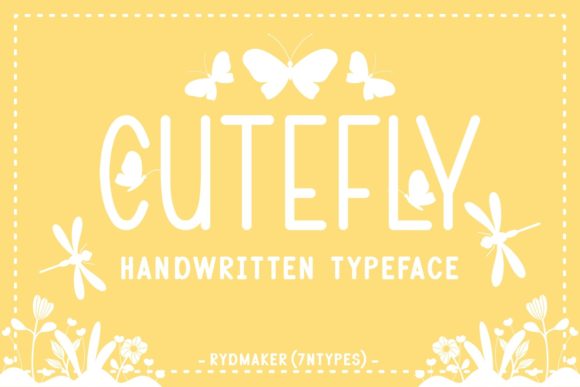
Cutefly: A Thin Script Handwritten Font for Web Design
When selecting Cutefly for a digital project, web designers immediately recognize the value of a delicate Script Handwritten typeface that balances personality with legibility. In the crowded landscape of online Fonts, finding a glyph set that feels both intimate and professional is often the deciding factor in establishing a memorable brand identity. This specific typeface offers a thin, lettered aesthetic that works exceptionally well for creating visual hierarchy without overwhelming the user interface.
Enhancing Hero Sections with Cutefly for Landing Pages
Integrating Cutefly into hero sections allows UI designers to inject immediate warmth into a landing page while maintaining a clean, modern look. As a Script Handwritten option among thousands of available Fonts, its thin strokes ensure that even large display text does not feel heavy or blocky on high-resolution screens. When used for main headlines, this font guides the visitor's eye naturally, setting a tone of approachability that is crucial for conversion-focused layouts. The delicate nature of the lettering suggests precision and care, qualities that translate well to service-based businesses, coaching websites, or boutique online stores where trust is paramount.
For optimal performance in hero areas, it is essential to pair Cutefly with ample whitespace. Because the strokes are thin, crowding the text against other elements or busy background images can reduce readability. Instead, use solid color blocks or subtle gradients behind the text to ensure the Script Handwritten details remain crisp. This approach not only improves accessibility but also elevates the perceived quality of the digital product, making the brand appear more established and thoughtful.
Optimizing Call-to-Action Buttons Using Cutefly Typography
While many designers reserve script fonts solely for headings, Cutefly proves effective for short call-to-action phrases when used strategically within a suite of web Fonts. The Script Handwritten style can soften the aggressive nature of traditional "Buy Now" or "Sign Up" buttons, making them feel like personal invitations rather than demands. This subtle shift in tone can significantly impact click-through rates, particularly for audiences seeking creative services, lifestyle products, or educational courses. However, due to the thin weight of the characters, this application works best on larger buttons where the text has room to breathe.
To maintain usability, ensure there is high contrast between the button background and the Cutefly text. Dark backgrounds with light lettering or vice versa will maximize the visibility of the intricate swashes and glyphs. Since this font is PUA encoded, designers can easily access alternative characters to create unique button labels that stand out from standard interface elements. This level of customization helps in crafting a consistent online identity where every interactive element feels bespoke and aligned with the overall brand narrative.
Building Brand Consistency with Cutefly for Digital Products
Achieving a cohesive brand voice across various digital touchpoints requires a versatile typeface, and Cutefly serves as an excellent anchor for digital product creators. Whether designing app screens, eBook covers, or course modules, this Script Handwritten font provides a distinct personality that differentiates a product from generic templates found in standard Fonts libraries. The thin, lettered style conveys a sense of elegance and femininity, making it particularly suitable for brands in the beauty, wellness, fashion, and creative education sectors. By consistently applying this typeface to key visual assets, companies can reinforce their market position and make their content instantly recognizable.
The PUA encoding feature of Cutefly is a significant advantage for maintaining this consistency. It allows designers to access a full range of glyphs and swashes without needing complex software workarounds. This means that logos, watermarks, and social media graphics can all share the same stylistic flourishes, creating a unified visual language. When users encounter these consistent typographic cues across a website, an email newsletter, and a mobile app, it builds subconscious trust and professionalism, which are critical components of a successful digital strategy.
Pairing Cutefly with Sans Serif Fonts for Readability
To maximize the effectiveness of Cutefly in long-form content or data-heavy interfaces, it should be paired with a robust sans serif font for body copy. While Script Handwritten styles excel at capturing attention, they are not designed for extended reading sessions. Combining the decorative appeal of Cutefly with a clean, geometric sans serif creates a balanced typographic system that satisfies both aesthetic and functional requirements. This combination ensures that while the headers draw the user in, the supporting text remains easy to scan and digest on any device.
When selecting a partner font, look for one with a similar x-height or stroke weight to create harmony without competition. For instance, a lightweight sans serif can complement the thin lines of Cutefly, while a bolder weight can provide the necessary contrast for clear visual hierarchy. This pairing strategy is essential for responsive web design, where text must reflow gracefully across desktops, tablets, and smartphones. By testing these combinations early in the design process, creators can ensure that their layouts remain accessible and engaging regardless of the screen size.
Leveraging Cutefly Swashes for Logo Design and Accents
The extensive glyph set included with Cutefly makes it a powerful tool for crafting unique logos and decorative accents within a web layout. Designers can utilize the accessible swashes to create custom ligatures or flourishes that add a touch of sophistication to brand marks. Unlike many standard Fonts that offer limited alternates, the PUA encoding in this Script Handwritten typeface empowers creators to tailor the typography to fit specific spatial constraints or artistic visions. This flexibility is invaluable when designing for tight spaces like favicon icons, mobile navigation bars, or footer signatures.
Furthermore, using these swashes as decorative elements in section dividers or background patterns can enhance the overall rhythm of a webpage. These subtle details contribute to a premium feel, signaling to the user that the site owner values design quality. However, it is important to use these embellishments sparingly to avoid visual clutter. The goal is to enhance the user experience, not distract from the primary content. When applied with restraint, the decorative capabilities of Cutefly can transform a standard template into a bespoke digital experience that resonates with the target audience.
Before implementing Cutefly in client projects or commercial products, it is vital to review the licensing terms to ensure compliance with web usage rights. Proper licensing protects both the designer and the client, allowing for unrestricted use in online stores, advertising campaigns, and distributed digital goods. Investing in a high-quality, properly licensed font like this ensures long-term stability for your brand assets and avoids potential legal complications down the road. With the right preparation and strategic application, this typeface becomes more than just a design element; it becomes a cornerstone of a successful digital presence.